
What We’ve Learned From Building AI Solutions for Australian Businesses
Effective AI starts with solving clear, repetitive workflows rather than chasing new tools.
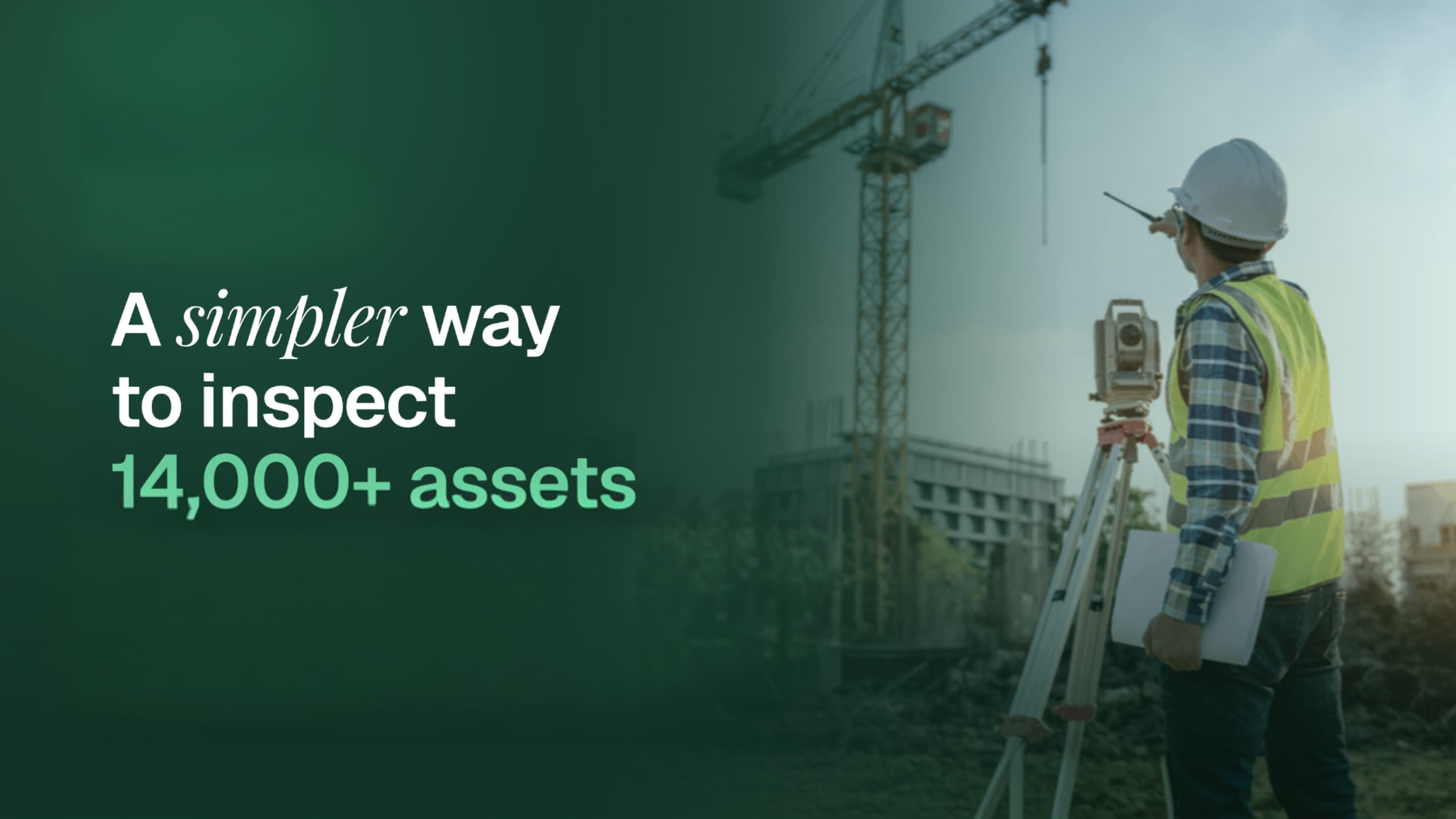
Read postOn a large building site, recording damage is only part of an inspection. The team also needs to show where it was found, check whether it appeared in an earlier survey and turn the findings into a report.
We built a Field Reporter platform for a structural inspection firm that conducts dilapidation and condition surveys across complex sites. Its work includes locations such as the Sydney Opera House. The platform we built brings field records, asset history and reporting into one workflow.
The company inspects sites before and after construction work, to document existing damage and identify changes. In some jobs, technicians assess thousands of individual assets.
Their findings would not be sometimes directly linked to a location’s on-site drawings. Checking whether an issue had appeared in a previous inspection meant looking through earlier records. At the end of the job, the team still had to assemble the report manually.
With that many assets to track, each disconnected step added more work and hence more time to the projects.
Apex AI engineers built a digital inspection platform around the way technicians work on site.
A technician could now select an asset, record a finding, add a photo or voice note, and mark the exact location on a site plan using the platform. The information stays connected to the asset throughout the inspection and reporting process.
Site connectivity is not always reliable. But technicians could also record findings offline, and the platform would synchronise the information once they reconnect. This means that the technicians can continue their work seamlessly, without waiting on wifi.
For a pre- and post-construction survey, a critical question would be: was the damage already there? When a technician records a finding, the platform will surface previous inspection records for the same asset. This gives them the relevant history of the asset, while they are on-site - eliminating hours of manual work of searching through old records later. It is especially useful for ‘bump-in’ and ‘bump-out’ inspections, where the team needs a clear record of what changed between visits.
Writing up thousands of findings takes time. We used AI to reduce that reporting work. Technicians could now describe what they see in a short voice note. The platform turns their observations into structured report content. Once the inspection is complete, the findings and marked-up site plans can be assembled into a branded report.
The workflow is straightforward: capture the finding, check its history, prepare the report and deliver it.
The goal wasn't to replace the technician or automate the inspection itself.
The technicians still inspect the assets, identify the issues and make the judgement. The platform helps them record and use that judgement more efficiently without repetitive administration steps.
The platform also supports an asset register containing more than 14,141 assets, giving the client a central place to manage inspections, findings and reports.
This project highlights a challenge that exists across many field-based industries.
Field teams in construction, engineering and property often collect valuable information across sites, drawings, photos and reports. When those records sit in separate places, putting them together becomes a tedious job.
This project shows what workflow automation can do when it is designed for the people using it: keep information connected, make past records easier to find and reduce manual reporting.
AI chatbots may be useful for answering routine questions in other businesses. Here, the more useful application of AI was helping technicians turn their own observations into report content.
If your team is still relying on manual processes, disconnected systems or repetitive reporting, there may be a smarter way to work.
Let’s look at the workflow together.
Effective AI starts with solving clear, repetitive workflows rather than chasing new tools.
Read post
Hidden inefficiencies drain business growth; strategic automation fixes them.
Read post
Prioritize AI strategy over tool adoption to avoid fragmented, expensive systems and chaotic workflows. Proper architectural planning reduce
Read postSee how Apex AI helps businesses move from scattered AI experiments to AI that actually works across your teams and operations.
Book a free discovery call